Get Grub Control
Grub Control services help property owners prevent and eliminate lawn grubs that damage turf, involving treatments and pest management projects handled by local contractors.
If property owners in the area are noticing an increase in grub activity or damage to lawns and landscaping, exploring professional control services can be a practical step. Proper management of these pests helps maintain the health and appearance of outdoor spaces, preventing further issues that could lead to costly repairs or ongoing problems. Whether planning a seasonal treatment or addressing a current infestation, local contractors experienced in grub control can provide tailored solutions to meet specific needs.
Comparing options among nearby service providers can help property owners identify the most suitable approach for their property. Many local contractors offer a range of treatments designed to effectively target grubs and protect turf and plantings. Continuing to read can provide valuable insights into how professional grub control services might fit into a broader property maintenance plan and assist in making an informed decision.
- Ant Control - when homeowners notice persistent ant trails or nests around their property.
- Termite Control - when signs of wood damage or mud tubes appear inside or outside a building.
- Rodent Control - if there are sightings of mice or rats in the attic, basement, or along walls.
- Cricket and Mole Control - in cases of invasive insects or burrowing mammals damaging lawns or gardens.
- Squirrel and Bird Control - when animals are nesting in or damaging roof spaces and eaves.
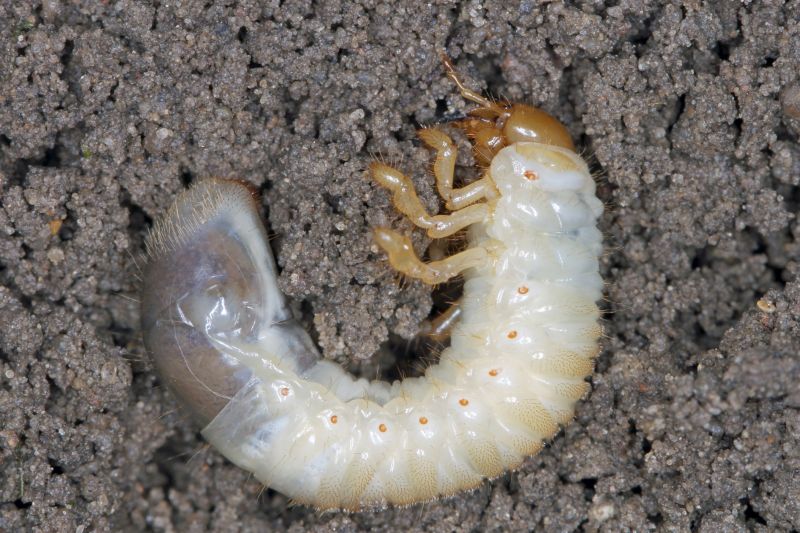
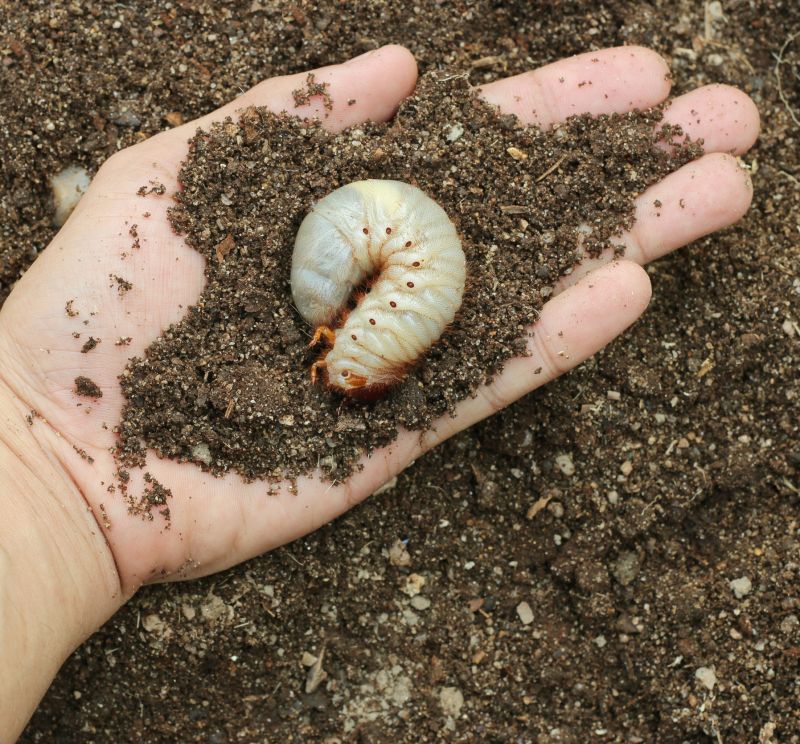
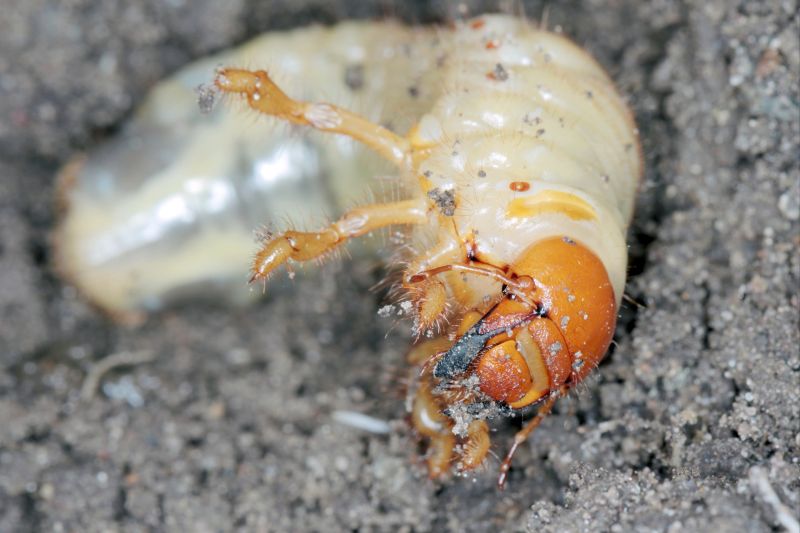
Grub control services focus on managing and eliminating lawn pests, particularly insects that can damage grass and plants. These services typically involve identifying the specific type of grub or pest problem and applying targeted treatments to prevent or reduce infestations. Proper grub control helps maintain a healthy, lush lawn by stopping pests from feeding on roots, which can lead to patchy, thinning grass, or even dead spots. Property owners often seek these services when noticing signs of pest activity or after experiencing issues with their turf that do not improve with standard lawn care.
The primary problems addressed by grub control include damaged roots, weakened turf, and increased vulnerability to other pests and diseases. Grubs are often most active during certain times of the year, and their presence can be difficult to detect until visible damage appears. Effective treatment not only reduces existing pest populations but also helps prevent future outbreaks, preserving the appearance and health of the landscape. These services are especially useful for homeowners who want to protect their lawns from underground pests that are hard to see but cause significant harm over time.
Properties that typically utilize grub control services include residential lawns, community parks, sports fields, and commercial landscapes. Homes with large yards or extensive turf areas are common clients, particularly if they have experienced pest issues in the past. Athletic fields and public parks often require regular pest management to keep playing surfaces safe and visually appealing. Commercial property managers also rely on these services to maintain attractive, pest-free grounds that enhance curb appeal and support property value.
Homeowners who notice signs of pest activity, such as patches of dying grass, thinning turf, or visible grubs when digging in the soil, may find grub control services beneficial. Additionally, those who want to proactively protect their lawns from potential damage often seek out local contractors specializing in pest management. By connecting with experienced service providers, property owners can find tailored solutions to address their specific pest issues, ensuring a healthy and vibrant landscape free from underground pests.
The overview below groups typical Grub Control projects into broad ranges so you can see how smaller, mid-sized, and larger jobs often compare in your area.
In many markets, a large share of routine jobs stays in the lower and middle ranges, while only a smaller percentage of projects moves into the highest bands when the work is more complex or site conditions are harder than average.
Small-Scale Treatments - Many routine grub control services for smaller lawns typically range from $250 to $600. These projects usually involve treating a yard of up to half an acre and are common among local contractors. Larger or more complex jobs can push costs above this range.
Standard Lawn Applications - For average-sized residential properties, costs generally fall between $300 and $700. This range covers most standard treatments for lawns of one to three acres, with fewer projects exceeding $1,000.
Large or Multiple Treatments - Larger properties or those requiring multiple treatments may cost between $700 and $1,500. Many projects in this tier involve extensive areas or integrated pest management plans, though some can go higher for very large or complicated sites.
Full Property Overhaul - Complete or complex lawn overhaul projects can reach $2,000 or more, particularly for extensive or highly detailed work. Such projects are less common and often involve significant landscaping or specialized treatments beyond routine services.
Actual totals will depend on details like access to the work area, the scope of the project, and the materials selected, so use these as general starting points rather than exact figures.
Lawn Pest Control Projects - local contractors often handle pest management tasks that require similar planning and application methods as grub control services.
Soil Treatment Projects - these involve applying treatments to soil to manage pests or improve plant health, requiring similar equipment and knowledge as grub prevention.
Landscape Maintenance Projects - maintaining healthy landscapes includes pest prevention strategies comparable to those used in grub control services.
Insect Barrier Installation Projects - installing barriers or deterrents to prevent pests aligns with the planning and execution skills needed for grub management.
Garden Bed Pest Management Projects - managing pests in garden beds involves targeted treatments akin to those used in grub control services.
Root Zone Pest Treatment Projects - applying treatments directly to root zones to prevent or eliminate pests shares techniques with grub control applications.
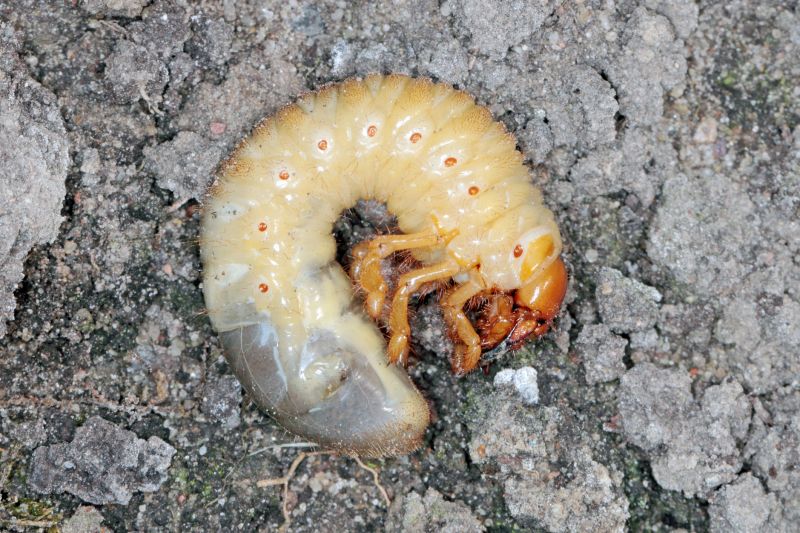
When evaluating service providers for Grub Control, it’s important to consider their experience with similar projects. Homeowners should inquire about how long a contractor has been working in the area and whether they have handled properties comparable in size and type. A contractor’s familiarity with local pests and conditions can influence the effectiveness of the treatment. Asking about past projects can help determine if a contractor has the practical knowledge needed to address specific lawn and pest issues effectively.
Clear written expectations are essential to ensure both parties understand the scope of work. Homeowners should seek detailed descriptions of the services offered, including what is included and any limitations. Having a written outline helps prevent misunderstandings and provides a reference point for what to expect from the treatment. Service providers should be willing to communicate their process and answer questions thoroughly, making sure homeowners feel confident about the approach and coverage.
Reputable references and good communication are key indicators of a reliable contractor. Homeowners can ask for references from previous clients to gain insight into the contractor’s work quality and professionalism. Additionally, a service provider’s responsiveness and clarity in communication can reveal their level of customer service. It’s important to choose local contractors who are transparent and approachable, as this often reflects their commitment to customer satisfaction. The site introduces homeowners to local options, enabling them to compare and connect with qualified service providers capable of handling Grub Control tasks effectively.
Property owners use Grub Control services for practical projects around their homes and businesses. This guide focuses on everyday jobs and straightforward project options.
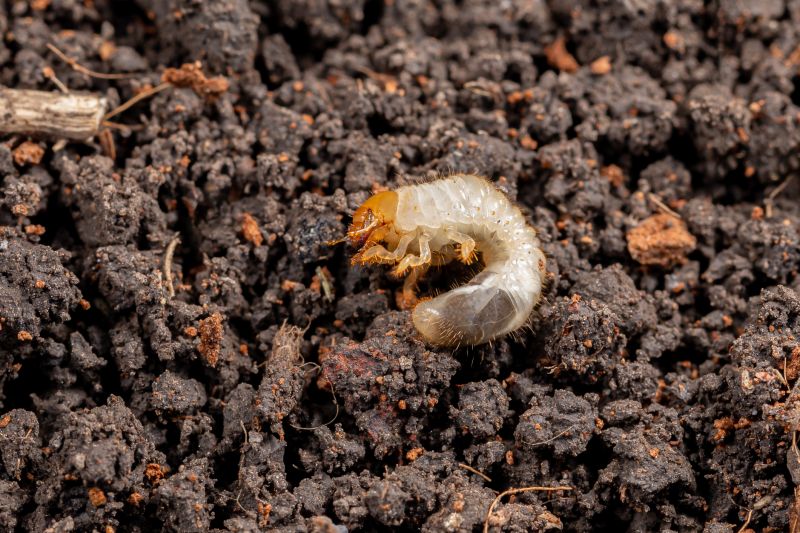
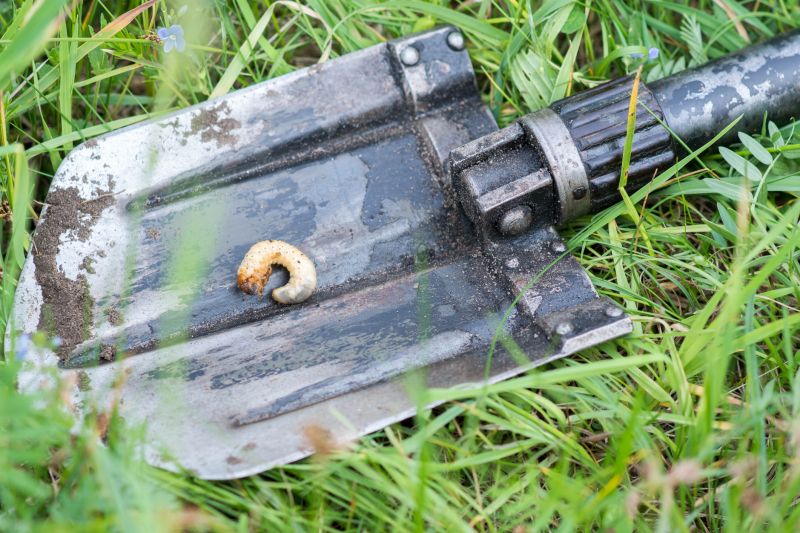
Property owners in the area often seek grubs control services to protect lawns and gardens from damage caused by these pests. Infestations can lead to brown patches, thinning grass, and weakened turf, making outdoor spaces less appealing and harder to maintain. Local contractors specializing in pest management can assess the situation and recommend effective treatments to keep lawns healthy and vibrant.
Many residents look for reliable service providers to handle grub issues as part of their regular yard care or in response to noticeable damage. Whether dealing with an active infestation or aiming to prevent future problems, property owners can connect with local experts who have experience in managing these pests. These professionals can help maintain the beauty and integrity of outdoor spaces, ensuring that lawns stay lush and resilient.
What is Grub Control service? Grub Control service involves applying treatments to prevent or eliminate grub infestations in lawns and gardens, helping to protect grass and plant roots from damage.
How do local contractors perform Grub Control treatments? Local contractors typically assess the affected area, choose appropriate treatment methods, and apply products to target grub larvae effectively.
Are Grub Control services safe for pets and children? Most Grub Control products used by local service providers are formulated to minimize risks, but it's advisable to follow safety guidelines provided by the contractor.
What types of Grub Control treatments are available? Treatments can include soil drenches, granular applications, or baiting options, depending on the severity of the infestation and the contractor’s recommendations.
How can I find local pros for Grub Control services? The platform helps connect homeowners with local contractors who specialize in lawn pest management, including Grub Control treatments.
Identify and eliminate common grub habitats - property owners can work with local contractors to find areas where grubs are likely to thrive and take preventive steps.
Schedule regular lawn inspections - routine checks by local pros can help detect grub activity early before significant damage occurs.
Implement targeted grub treatments - property owners can coordinate with service providers to apply effective control methods at appropriate times.
Maintain healthy lawn practices - local contractors can advise on proper watering, mowing, and fertilization to reduce grub attraction and promote lawn resilience.
If you are thinking about Grub Control for a property, this guide is meant to help you understand the work, the typical project types, and how different options might fit your plans.
When you are ready, you can use the quote form on this page to share a few details about your project. From there, local pros can review the basics and respond with options that match what you have in mind.