Poison Ivy Removal in Harford County, MD
Poison ivy removal services help property owners safely eliminate this invasive plant from their yards, gardens, and outdoor spaces. These services typically cover a variety of projects, including clearing poison ivy from trees, fences, shrubs, and ground areas. Homeowners often seek this service to prevent skin irritation, protect children and pets, and maintain the appearance and safety of their outdoor environment. Understanding the extent of the poison ivy growth and the best removal methods can help ensure the project is completed effectively and safely.
Before requesting poison ivy removal, property owners should consider the size and location of the affected areas, as well as any nearby plants or structures that may be impacted. It’s also useful to know whether the plants are growing on the ground, climbing on trees, or attached to fences, as this can influence the removal approach. Proper identification of poison ivy is essential, and consulting with a professional can provide clarity on the best course of action for safe and thorough removal.
Many property owners in Harford County, MD look into Poison Ivy Removal for repairs, replacements, upgrades, and appearance-related improvements.
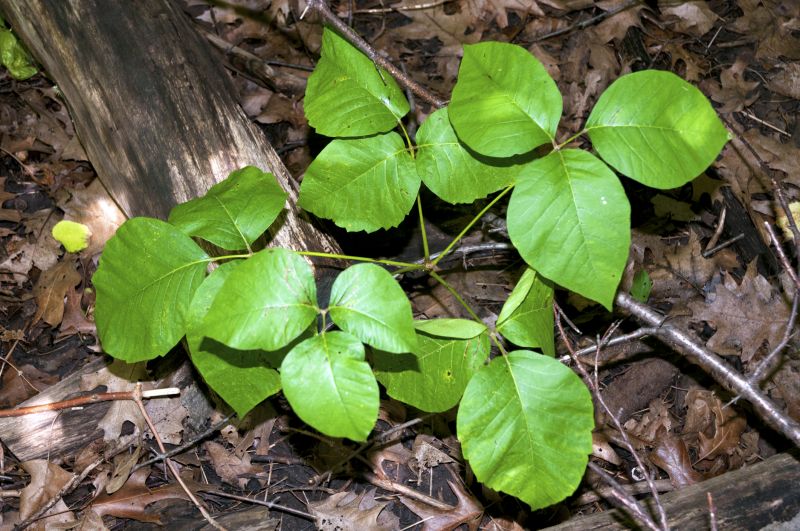
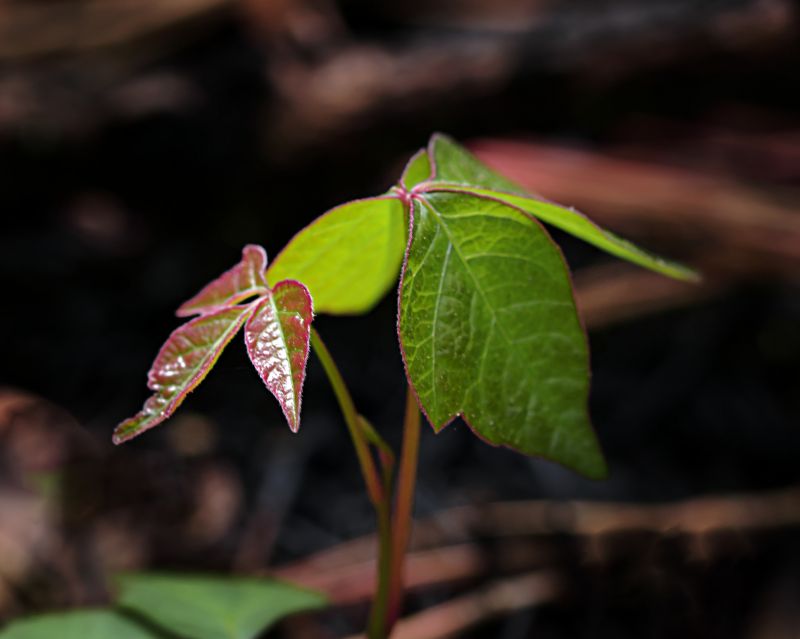
Identifying Poison Ivy
Recognizing the signs of poison ivy to prevent skin irritation and damage to the landscape.
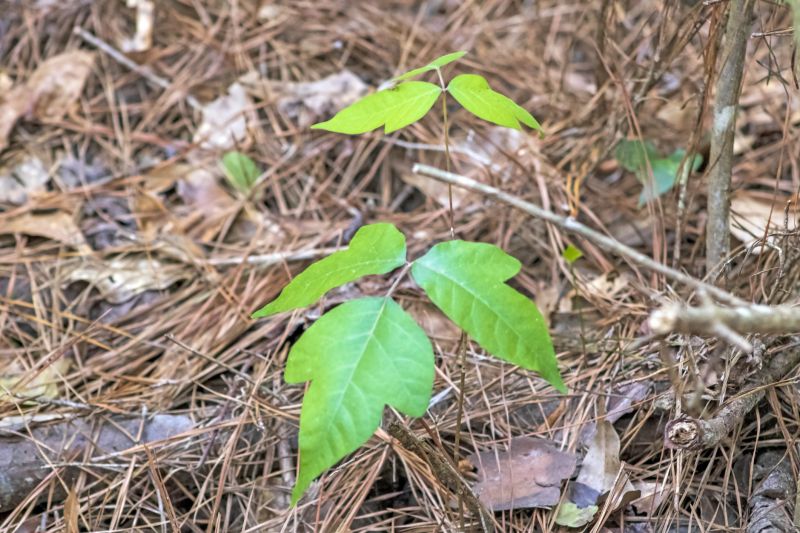
Safe Removal Techniques
Using proper methods to eliminate poison ivy without harming surrounding plants or the environment.
Property Maintenance
Keeping yards and wooded areas clear of poison ivy to ensure safety for family and visitors in harford county, md.
Poison Ivy Removal in Harford County, MD
Poison ivy removal services help property owners safely eliminate this invasive plant from their yards, gardens, and outdoor spaces. These services typically cover a variety of projects, including clearing poison ivy from trees, fences, shrubs, and ground areas. Homeowners often seek this service to prevent skin irritation, protect children and pets, and maintain the appearance and safety of their outdoor environment. Understanding the extent of the poison ivy growth and the best removal methods can help ensure the project is completed effectively and safely.
Before requesting poison ivy removal, property owners should consider the size and location of the affected areas, as well as any nearby plants or structures that may be impacted. It’s also useful to know whether the plants are growing on the ground, climbing on trees, or attached to fences, as this can influence the removal approach. Proper identification of poison ivy is essential, and consulting with a professional can provide clarity on the best course of action for safe and thorough removal.
Many property owners in Harford County, MD look into Poison Ivy Removal for repairs, replacements, upgrades, and appearance-related improvements.
Common Poison Ivy Removal Jobs
Poison Ivy Removal - safe and effective removal of invasive plants from residential properties.
Yard Clearing - removal of poison ivy from lawns, gardens, and landscaped areas.
Fence Line Clearing - eliminating poison ivy along property boundaries and fences.
Tree and Shrub Trimming - clearing poison ivy from around trees and shrubs for safety.
Emergency Poison Ivy Removal - urgent removal services for hazardous plant growth.
Property Maintenance - ongoing control to prevent poison ivy from regrowing.
Poison Ivy Removal Questions
What is poison ivy removal? Poison ivy removal involves safely eliminating the plant to prevent skin irritation and property damage.
Why should poison ivy be removed? Removing poison ivy reduces the risk of contact dermatitis and helps maintain a safe outdoor environment.
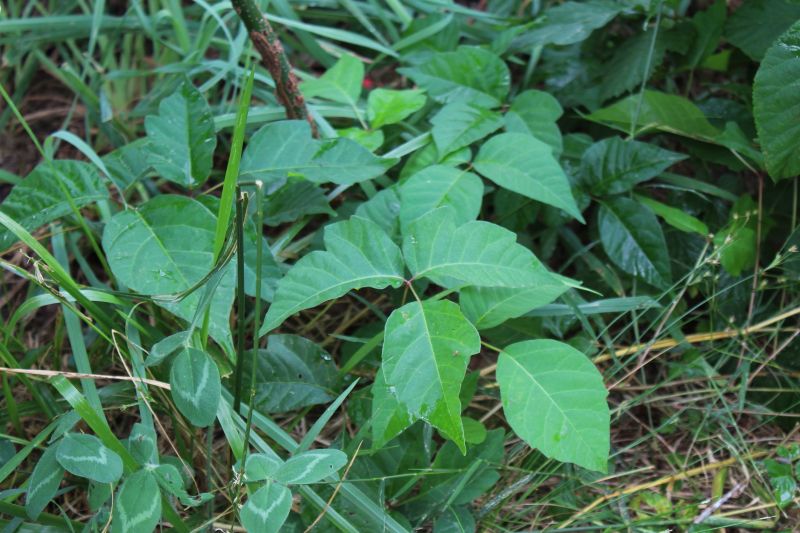
Where is poison ivy commonly found? It often grows along fences, wooded areas, and shaded spots on residential and commercial properties.
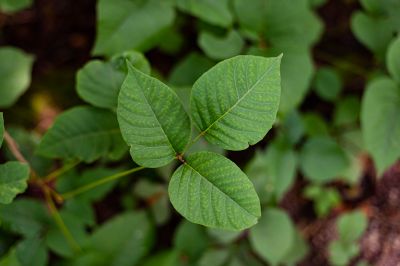
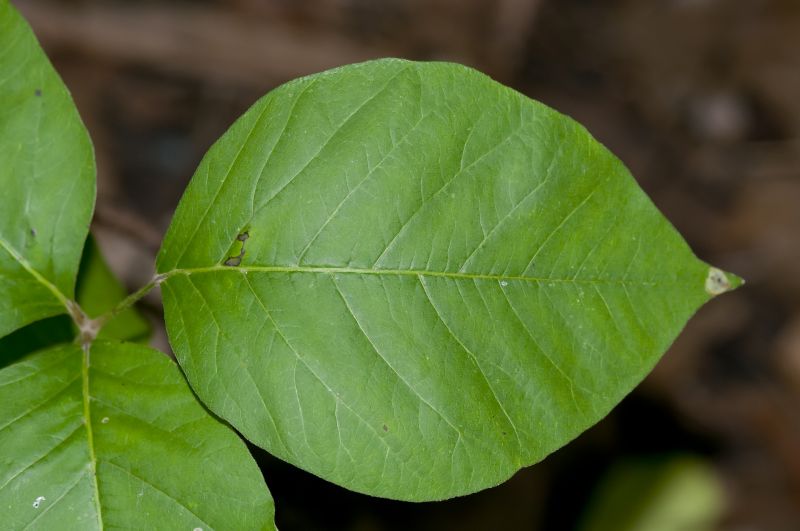
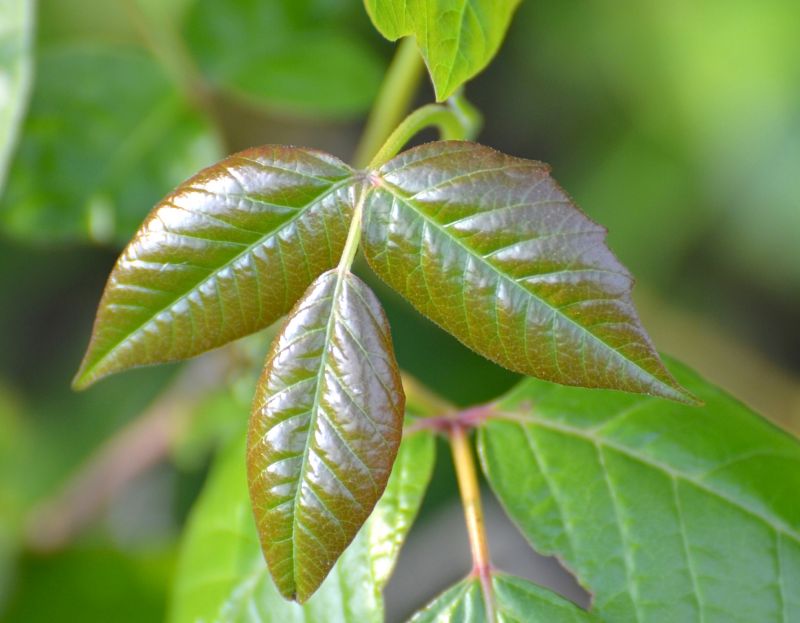
How can poison ivy be identified? It typically has three leaflets, a shiny surface, and can grow as a vine or shrub in various outdoor areas.
Request Poison Ivy Removal in Harford County, MD
Use the quote form on this page to share the basics of your project and request more information for the type of work you need.