Hemlock Removal in Harford County, MD
Hemlock removal services involve the careful elimination of hemlock trees from residential or commercial properties. This process is often requested when trees pose safety risks, such as the potential for falling limbs or instability, or when they are diseased, dead, or overcrowding other landscape features. Projects can range from removing a single problematic hemlock to clearing multiple trees across larger areas, helping to improve safety, prevent property damage, and maintain the health of surrounding plants and lawns. Property owners typically want to understand the scope of the removal, the methods used, and any necessary cleanup or disposal procedures before requesting service.
Before requesting hemlock removal, property owners should consider the location of the trees, including proximity to structures, power lines, or other landscape features. It's also helpful to know the size and number of trees involved, as this can influence the complexity of the project. Understanding any local regulations or restrictions related to tree removal can ensure compliance, and knowing whether stump grinding or full removal is desired can help clarify the scope of work. Clear communication about these details can assist in planning and executing a safe, efficient removal process.
Many property owners in Harford County, MD look into Hemlock Removal for repairs, replacements, upgrades, and appearance-related improvements.
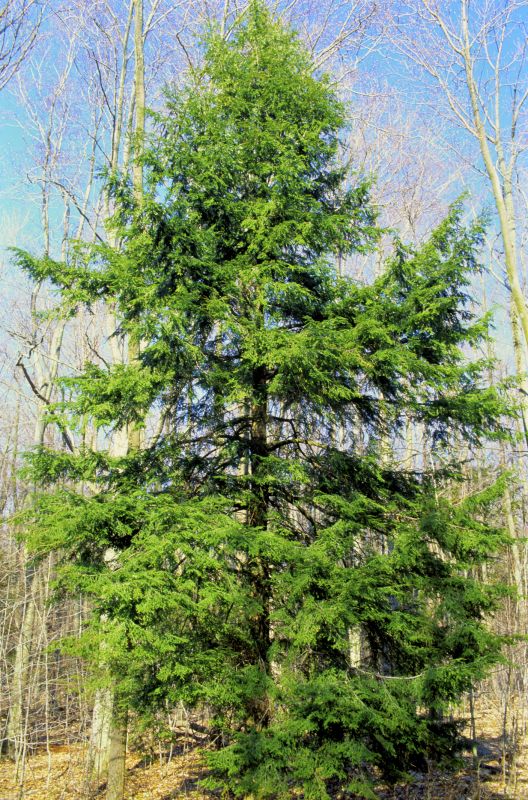
Reasons To Remove Hemlocks
Removing damaged or diseased hemlocks can improve the health of surrounding trees and enhance property safety.
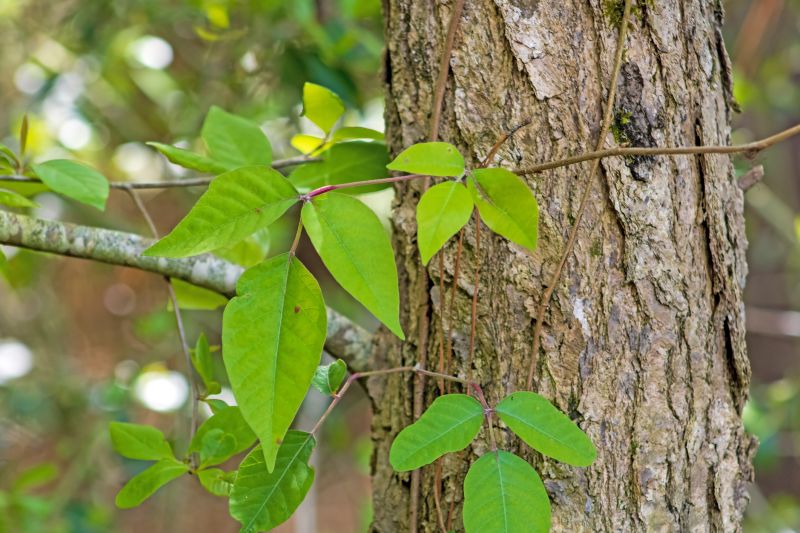
Hemlock Removal Methods
Various techniques are used to safely and effectively remove unwanted hemlocks from residential and commercial properties.
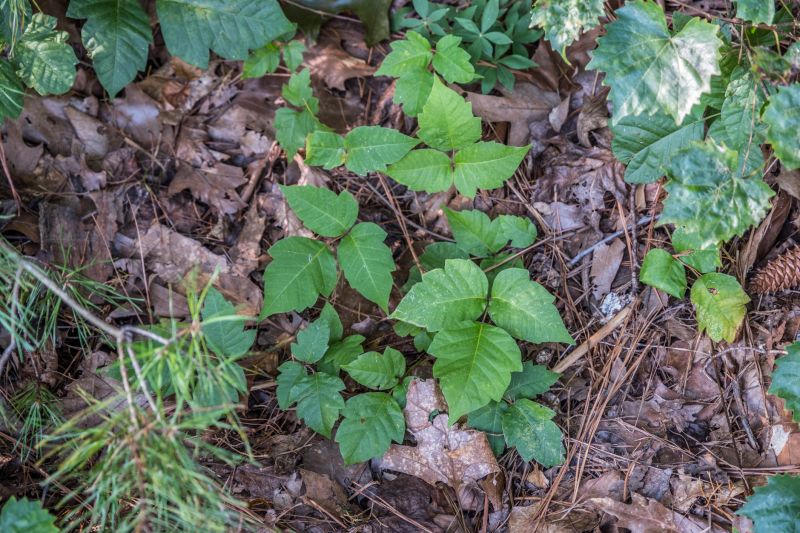
Property Improvement Tips
Clearing out overgrown or hazardous hemlocks can create more usable outdoor space and improve landscape aesthetics.
Hemlock Removal in Harford County, MD
Hemlock removal services involve the careful elimination of hemlock trees from residential or commercial properties. This process is often requested when trees pose safety risks, such as the potential for falling limbs or instability, or when they are diseased, dead, or overcrowding other landscape features. Projects can range from removing a single problematic hemlock to clearing multiple trees across larger areas, helping to improve safety, prevent property damage, and maintain the health of surrounding plants and lawns. Property owners typically want to understand the scope of the removal, the methods used, and any necessary cleanup or disposal procedures before requesting service.
Before requesting hemlock removal, property owners should consider the location of the trees, including proximity to structures, power lines, or other landscape features. It's also helpful to know the size and number of trees involved, as this can influence the complexity of the project. Understanding any local regulations or restrictions related to tree removal can ensure compliance, and knowing whether stump grinding or full removal is desired can help clarify the scope of work. Clear communication about these details can assist in planning and executing a safe, efficient removal process.
Many property owners in Harford County, MD look into Hemlock Removal for repairs, replacements, upgrades, and appearance-related improvements.
Common Hemlock Removal Jobs
Hemlock removal involves safely removing invasive hemlock trees to protect surrounding vegetation.
Hemlock thinning helps reduce tree density to improve forest health and reduce hazards.
Hemlock stump grinding eliminates remaining stumps to prevent regrowth and improve landscape appearance.
Hemlock pruning involves trimming branches to promote tree health and reduce risk of falling limbs.
Hemlock infestation removal targets diseased or infested trees to prevent the spread to healthy trees.
Hemlock clearing involves removal of multiple trees to create open space or improve property safety.
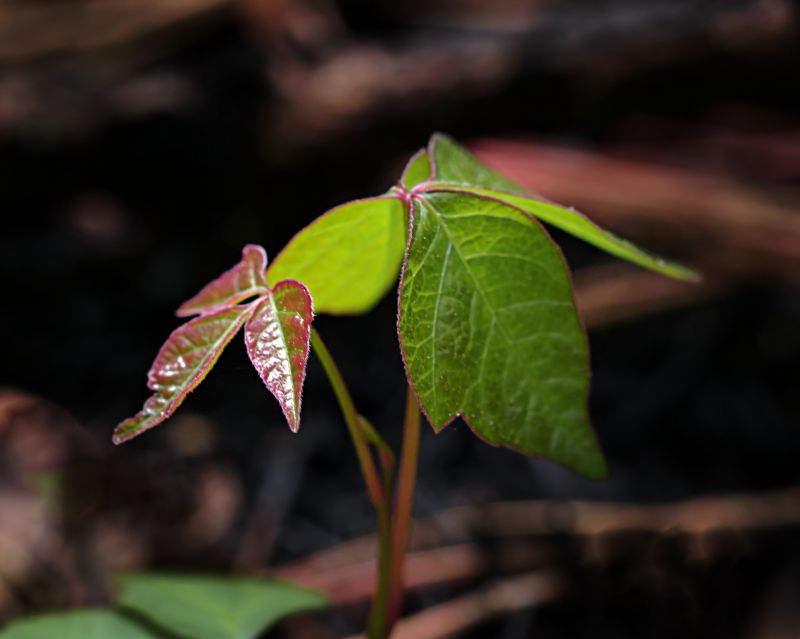
Hemlock Removal Questions
Why should Hemlock trees be removed? Hemlocks can pose safety risks if they become unstable or diseased, and removal helps prevent potential damage to property or injury.
What signs indicate a Hemlock tree needs removal? Signs include dead or dying branches, leaning or instability, or visible disease symptoms like browning needles.
Is Hemlock removal necessary near structures? Yes, removing Hemlocks close to buildings or power lines reduces the risk of damage or accidents caused by falling branches or trees.
How does Hemlock removal improve property safety? Removing hazardous Hemlocks eliminates falling debris and reduces the chance of tree failure, making the area safer for occupants and visitors.
Request Hemlock Removal in Harford County, MD
Use the quote form on this page to share the basics of your project and request more information for the type of work you need.